

For years, I had tried to do everything “right” when it came to nutrition: lots of vegetables, little fat, no meat. Only when I stopped trying to control my body did it begin to show me what it truly needed. And that journey eventually led me to a surprising realization: Many Indigenous cultures eat predominantly animal-based diets.
When My Body Became Louder Than My Beliefs
I was convinced I was doing the right thing. I ate a vegetarian diet, kept fat as low as possible, exercised a lot, and paid meticulous attention to what ended up on my plate. From the outside, I received a lot of praise for it. People admired my discipline and often told me how healthy and fit I looked.
What hardly anyone knew was that behind this discipline, an eating disorder had long since taken hold. I counted calories, exercised for several hours every day, and had not had a regular period for years. Sometimes the eating disorder was stronger, sometimes weaker - but it controlled my life. Food and exercise were no longer a source of joy. Instead it was all about control.
Behind what looked like discipline was an eating disorder.
Still, I changed nothing. I had learned to live with my obsession with food. It had simply become part of my everyday life. But then I met the love of my life.
We knew early on that we wanted to start a family together. And suddenly, I could no longer ignore something: my body was not cooperating. I had not had a regular period for years.
As long as I was living only for myself, I could push this warning sign aside. But now I faced a decision: Would I keep fighting my body - or finally begin to listen to it?
The Day I Went “All In”
From one day to the next, I stopped counting calories. I no longer restricted myself. I gave my body everything it asked for - whatever it was, whenever it wanted it. With this decision, I followed the concept of “all in” - a common, though very radical approach to recovering from an eating disorder. Before, I had been eating less than 1,000 kcal a day; now I was consuming more than 10,000 kcal daily.
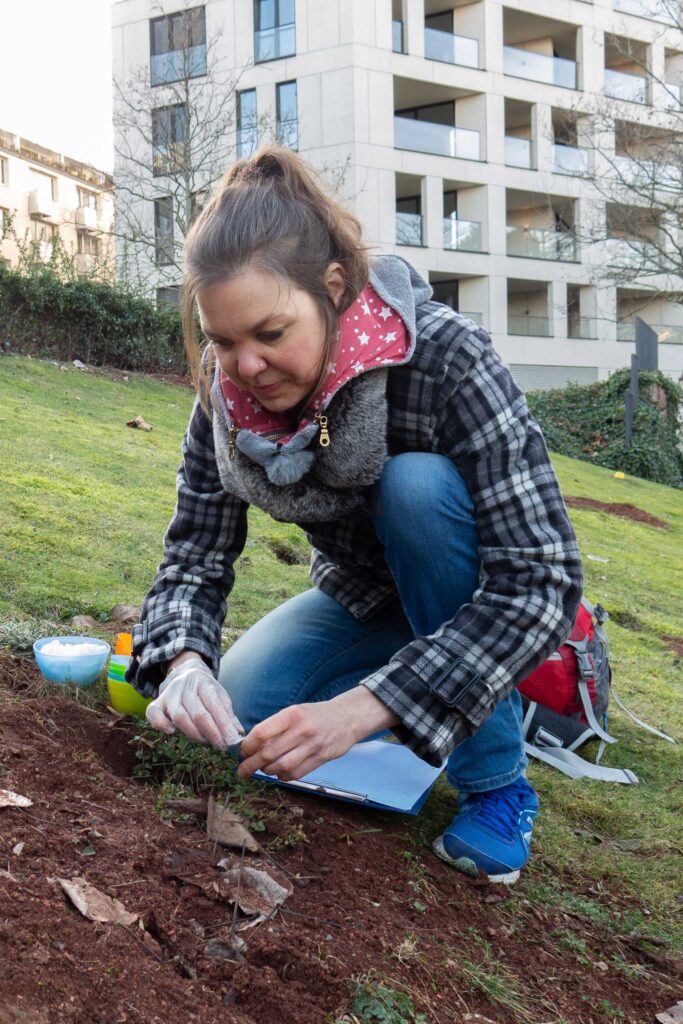
As a result, I gained weight very quickly: from 52 kg to 70 kg in just a few weeks. My body had been so depleted over the years that it constantly demanded food. I even woke up in the middle of the night and ate ravenously.
Giving in to this hunger was anything but easy. With every kilogram, I felt as though I was losing something I had defined myself by for years: my slim body, my control over food, my “fit” identity.
There were days when I looked in the mirror and was convinced I had made a mistake.
I barely recognized my body anymore. The urge to start counting calories again, exercise more, and undo everything was enormous.
But then I remembered why I had started down this path in the first place. I wanted to get healthy. And I wanted to finally give my body the chance to become pregnant. So I kept going.
My Last “Fear Food”
After about six months, my hunger decreased significantly. I settled into three meals a day. Eventually, my weight stabilized at 85 kilograms. My period became regular again as well. Almost all of my so-called “fear foods” had lost their power over me. Only one thing remained on my “forbidden” list: meat.
At the same time, I could feel that my body was craving meat. The smell of a hearty roast made my mouth water. But my moral convictions would not allow me to eat meat again.
For weeks, I ignored this craving. I told myself that my body had to be wrong. After all, I had spent my entire life learning that meat was unhealthy. But eventually I asked myself an uncomfortable question: What if I only trusted my body when it wanted exactly what I already believed was right? Was that really trust?
So, for the first time in fifteen years, I bought meat again.
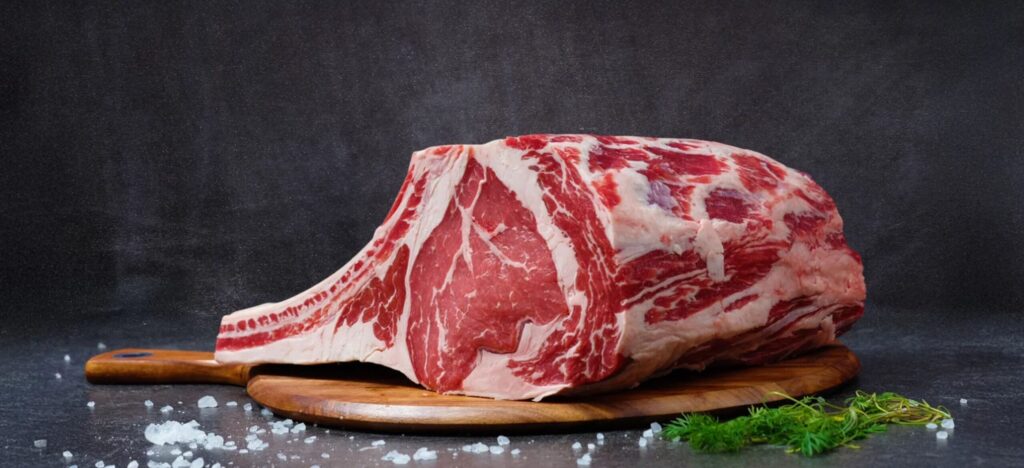
I had expected to feel terrible. Instead, something completely different happened: I felt great! My energy levels increased. My skin became clearer. My concentration improved. For the first time in many years, I felt as though my body was no longer working against me.
And it did not stop at occasionally eating meat. My cravings grew stronger every day. In the morning, I ate bacon and sausages. At lunch, ground meat and eggs. In the evening, salmon and steak. I was still “all in” - but all I wanted to eat were animal-based foods.
At the same time, my inner conflict grew. My body seemed to be telling me something completely different from everything I had learned about nutrition. Who should I believe? The studies, books, and dietary recommendations that had accompanied me for fifteen years - or my own experience?
Plants Fight Back
As a scientist, my own experience was not enough for me. After all, I was a sample size of one. So I began to research. This time, I did not ask: How should we eat? Instead, I asked: What might explain why my body responds to this diet the way it does?
Among other things, I began looking into plant defense compounds. Plants cannot run away from predators. Over the course of evolution, they have therefore developed a wide range of mechanical and chemical defense mechanisms. As a biologist, I was of course familiar with this. During my studies, I had worked with groups of compounds such as oxalates, lectins, phytates, glycoalkaloids, and other secondary plant compounds.
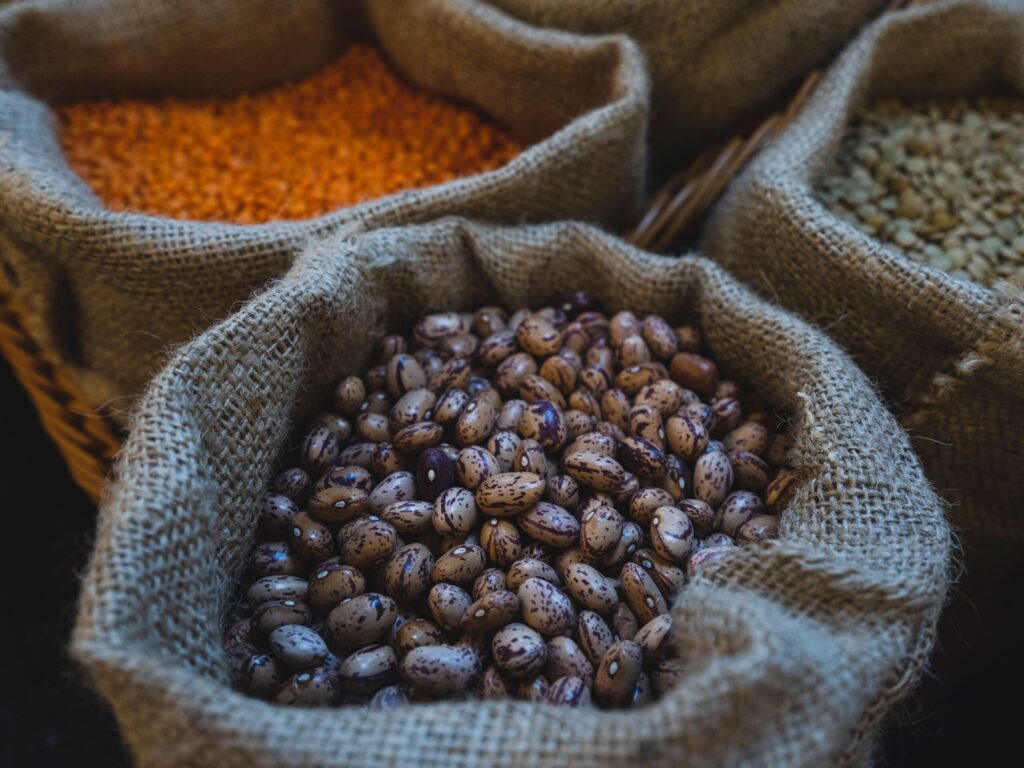
What was new to me was not their existence. What was new was the question of what significance they might have for my individual diet. I began to look more critically at plants that I had automatically equated with “healthy” for decades.
And I kept observing: since I had started eating significantly fewer plant foods, my skin problems had almost disappeared. My digestion had improved, and I no longer experienced bloating. And what seemed completely crazy to me: I no longer got sunburned.
What My Metabolism Had to Do With It
At the same time, something else changed in my life: my weight. Since I was now eating very few carbohydrates, my body increasingly used fat and ketone bodies for energy. I felt that my energy remained much more stable throughout the day. No more afternoon slump. And two meals a day were often completely sufficient for me.
On top of that, I could finally maintain my desired weight with ease - without starving myself or spending hours sweating at the gym. After years in which food had occupied practically every thought, this was perhaps the most astonishing change of all - food and exercise had lost their power over me.
Still, one question remained: Just because I felt good on this diet did not necessarily mean that humans could live this way long-term. How long could I continue my “meat diet” without harming myself? I encountered an answer to that question at a conference in Spain.
Eating What the Land Provides
At a conference on Indigenous cultures, I met human biologist Mary Ruddick. Mary has spent many years studying traditional communities and their ways of life. During our conversation, we also began talking about food.
She told me something that suddenly placed my own experience in an entirely new context. There are traditional communities whose diets are strongly shaped by animal-based foods because of their environment - in some regions, extraordinarily so. Not because these people had discovered “Carnivore” as a modern dietary philosophy. Not because they believed carbohydrates were bad. But because humans have always eaten what their particular environment made available to them.

Among the Inuit of the Far North, for many months of the year there is no lettuce or broccoli, no apples or grain growing locally. Instead, there are fish, seals, caribou, and whales. One traditional food is maktaaq or muktuk—whale skin with the layer of fat beneath it. This food, which may seem unusual to us, provides substantial energy as well as important micronutrients.
In the steppes of Central Asia, however, the diet looks completely different. Mary lived there with communities in which much of life revolves around milk during the summer - for example, among the Yakuts. When the animals return to pasture after winter and produce abundant milk, it is collected and processed into cream, butter, cheese, yogurt, dried curds, or fermented mare’s milk. Mary even told me about a separate yurt used for processing and storing dairy products.
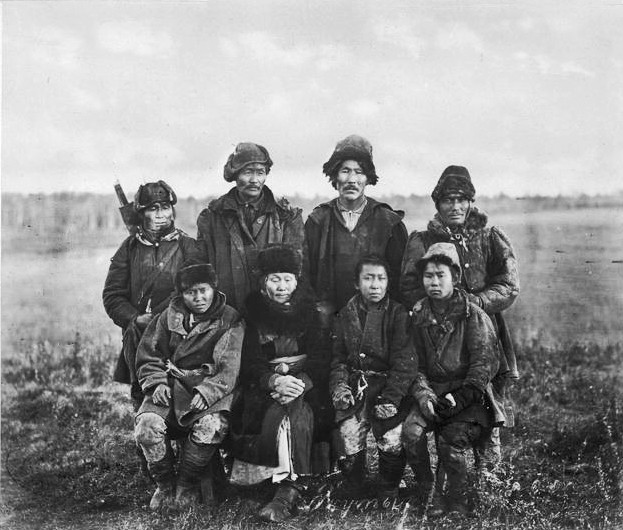
High-fat animal foods everywhere - not as a modern “high-fat diet,” but as a natural part of a way of life that had adapted over generations to the landscape, climate, and seasons.
I found all of this fascinating. These people had no macro-tracking app. They did not debate whether fat was currently good or bad. Their diet emerged from a direct relationship with their environment. During the short summer, different foods were abundant than in the depths of winter. Whatever was available was used, processed, fermented, dried, or preserved for later.
The Most Important Realization Had Nothing to Do With Meat
Today, I have been eating a predominantly animal-based diet for almost three years. Not because I force myself to do so every day, but because after many experiments I found that this is what makes my body feel best. At the same time, the most important realization of my journey actually has very little to do with meat.
The most important realization is this: trust. I had to learn to stop treating my body like an object that my mind needed to control and optimize. I had to learn to observe. To listen. And sometimes to tolerate the fact that what I was experiencing did not fit my previous beliefs.
Perhaps there is a wisdom in this that we can also find in many traditional cultures: not to shape life exclusively according to abstract rules, but to respond attentively to our own bodies, our environment, and the conditions in which we live.
If you would like to learn more about shamanism, our connection with nature, and the wisdom of Indigenous peoples, subscribe to my newsletter or join me on YouTube at “Old Wisdom, New Life.”
Recommended Reading
- Anthony Chaffee: Why We Are Carnivores … and How Plants Try to Poison You: The Science and Evidence Supporting Our Real Ancestral Diet
- Shawn Baker: The Carnivore Diet Paul Saladino: The Carnivore Code: Unlocking the Secrets to Optimal Health by Returning to Our Ancestral Diet
- Judy Cho: Carnivore Cure: Meat-Based Nutrition and the Ultimate Elimination Diet to Attain Optimal Health
- Judy Cho & Laura Spath: The Complete Carnivore Diet for Beginners: Your Practical Guide to an All-Meat Lifestyle
- Sally K. Norton: Toxic Superfoods
- Nina Teicholz: The Big Fat Surprise: Why Butter, Meat and Cheese Belong in a Healthy Diet Georgia Ede: Change Your Diet, Change Your Mind
- Benjamin Bikman: Why We Get Sick Vilhjalmur Stefansson: The Fat of the Land
- Lierre Keith: The Vegetarian Myth
Table 1: Overview of plant compounds and their effects on the human body. Source: Petroski W, Minich DM. Is There Such a Thing as “Anti-Nutrients”? A Narrative Review of Perceived Problematic Plant Compounds. Nutrients. 2020;12(10):2929.
| Plant Compounds | Sources | Effects |
|---|---|---|
| Oxalate | Spinach, Swiss chard, beetroot, sorrel, cocoa, almonds | Can bind minerals and contribute to the formation of kidney stones. |
| Lektine | Beans, soybeans, peanuts, lentils, grains; particularly high levels in kidney beans | Are known to irritate the intestinal lining. |
| Phytic acid (phytates) | Whole grains, oats, wheat, rice, legumes, nuts, seeds | Binds minerals such as iron, zinc, magnesium, and calcium |
| Solanine | Nightshades such as potatoes, tomatoes, eggplants, and peppers | In larger amounts, can cause nausea and digestive discomfort |
| Goitrogens | Cabbage, broccoli, Brussels sprouts, kale, rapeseed, mustard | Can interfere with iodine uptake by the thyroid |
| Cyanogenic glycosides | Bitter almonds, apricot kernels, cassava, flaxseed | Can release toxic hydrogen cyanide |

0 Comments